Juneteenth, Independence Day, and the Pursuit of Freedom
Freedom is one of America's most cherished ideals. As we reflect on Juneteenth and prepare to celebrate Independence Day, I have been thinking about the many forms of freedom we continue to pursue—and the role communities play in shaping the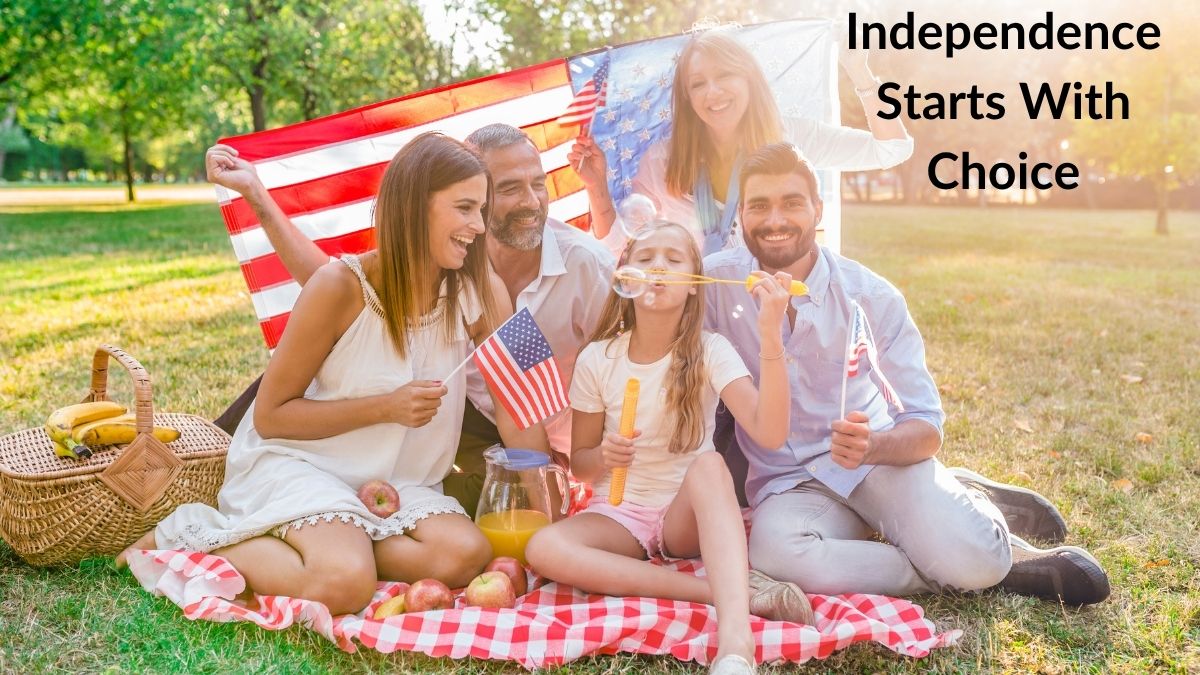 ir own future.
As we move from Juneteenth toward Independence Day, I find myself reflecting on the meaning of freedom.
Juneteenth commemorates June 19, 1865, when Union troops arrived in Galveston, Texas, and announced that enslaved people were free—more than two years after the Emancipation Proclamation had been signed. It stands as a powerful reminder that freedom is precious, hard-won, and worth preserving.
Just a few weeks later, we celebrate Independence Day, marking our nation's separation from British rule and the birth of self-governance. Both holidays remind us that freedom is not simply a historical event. It is an ongoing pursuit that requires informed citizens, strong communities, and a willingness to shape our own future.
As Rotarians, we understand this well. Rotary is built on the belief that ordinary people can work together to strengthen their communities through service, leadership, and civic engagement. Progress happens when people choose to become participants rather than spectators.
These holidays also cause me to think about another form of independence that has become important to me personally: food independence.
As a co-founder of the Food Shed Co-op, one of my motivations has been a desire to help communities reclaim a greater measure of control over their food supply. Today, much of what fills our grocery store shelves is produced, processed, marketed, and distributed by a surprisingly small number of large corporations. Many of the products that dominate the Standard American Diet (SAD) are highly processed foods designed for convenience, shelf life, and profitability.
Researchers continue to examine the connection between these foods and rising rates of obesity, diabetes, heart disease, and other chronic illnesses. At the same time, millions of Americans find themselves increasingly dependent on medications to manage conditions that may be influenced, at least in part, by diet and lifestyle. While modern medicine provides tremendous benefits and saves countless lives, I believe we should also be asking whether our food system is helping create some of the very problems we later seek to treat.
I sometimes wonder whether true freedom includes having greater control over what nourishes our bodies and our families. When a small number of corporations have enormous influence over what food is available, how it is produced, and how it is marketed, consumers can find themselves with fewer meaningful choices than they realize.
This is one reason I support local agriculture, farmers markets, food co-op's, and community ownership. These efforts help reconnect people with the sources of their food, support local economies, and provide alternatives to systems that are increasingly centralized and distant from the communities they serve.
Whether through Rotary service projects, local businesses, community gardens, farmers markets, food cooperatives, or civic engagement, we are all participating in the work of building stronger and more resilient communities. We are helping people become active stewards of their future rather than passive recipients of decisions made elsewhere.
As we celebrate both Juneteenth and Independence Day, I am reminded that freedom is not only about political liberty. It is also about informed choices, personal responsibility, community participation, and the opportunity to shape the systems that affect our lives.
Those ideals align closely with Rotary's commitment to Service Above Self. They remind us that freedom and responsibility go hand in hand, and that each generation has the opportunity—and the obligation—to leave its community stronger than it found it.
Happy Juneteenth, and Happy Independence Day.
Scott Brix